Source Boat Cup Holder for Yachts, Cars, and Sofas
Explore 30 options for boat cup holder solutions, including marine-grade stainless steel 316 and plastic models. Compare features like side mount designs, precision casting, and universal fits for yachts, cars, and game tables to find the right drink holder for your needs.
Key considerations
Products List


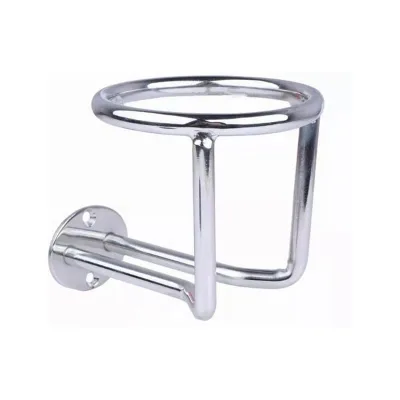
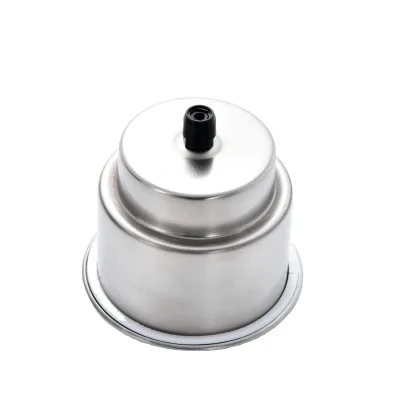
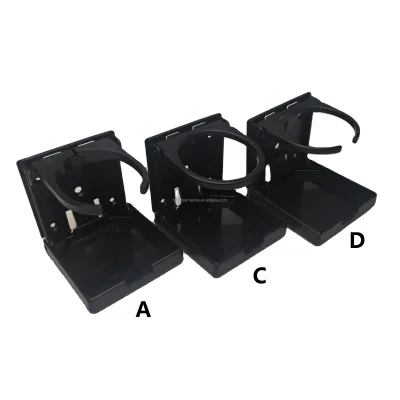
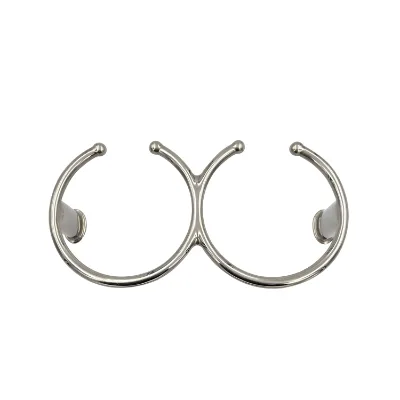


Comprehensive Sourcing Guide
Boat Cup Holder Sourcing Guide
Buyers must first distinguish between the primary material families observed in the market, specifically noting the divergence between plastic and marine-grade stainless steel 316 options. The plastic variants often feature a universal design suitable for game tables, sofas, and general vehicle interiors, while the stainless steel models are engineered specifically for harsh marine environments and precision casting applications. Understanding this material split is critical before initiating any supplier contact, as it dictates the entire manufacturing process and the resulting durability of the final product.
Procurement teams should also evaluate the customization landscape, where some listings offer non-customized universal items while others explicitly support logo customization and OEM branding. The observed data indicates that while some products are sold as single items with standard packaging, others require specific packing configurations like cartons with wooden pallets for bulk transport. This variation in service levels means buyers must clearly define whether they need a generic off-the-shelf solution or a branded component tailored to specific vessel or furniture requirements.
Product Scope and Observed Listing Signals
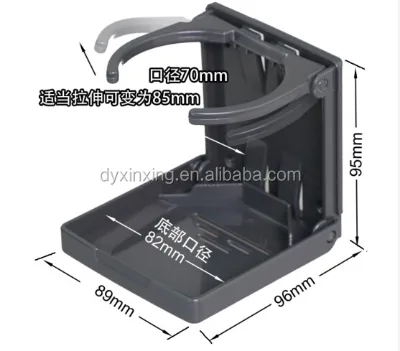
The product scope encompasses a wide range of structural types, from section-based designs to side-mount configurations that utilize precision investment casting techniques. Buyers will encounter listings describing the item as a hose type or a dedicated cup storage stand, with specific dimensions such as 114.2 by 88.1 mm noted for certain plastic models. It is essential to verify the maximum diameter capacity, as observed specifications list a 78.8 mm limit for some units, which directly impacts compatibility with various beverage containers used in yachts or recreational vehicles.
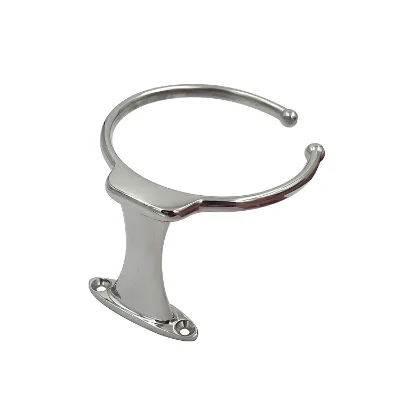
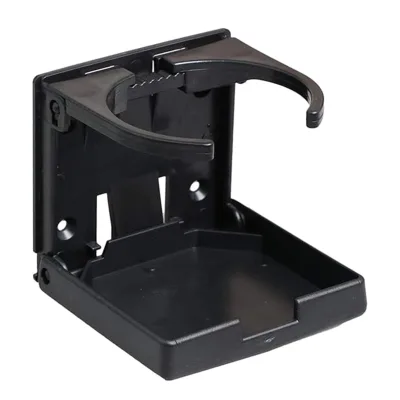
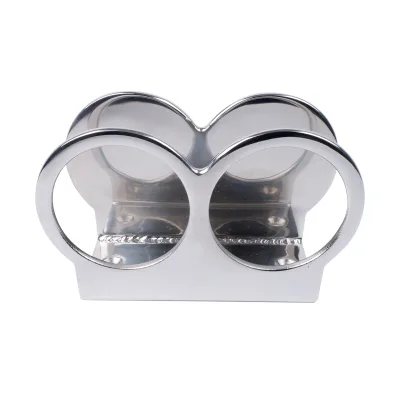
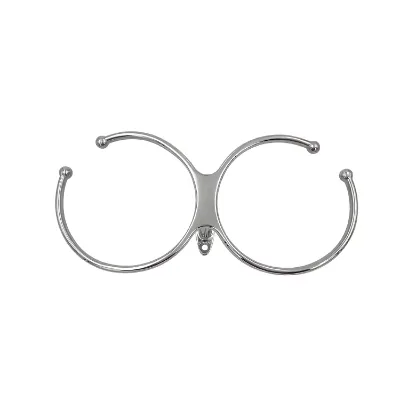
Listing signals also reveal significant variation in surface treatments and aesthetic finishes, ranging from standard black plastic to mirror-polished silver stainless steel. The observed data highlights that some products are marketed with specific names like "Side Mount Boat Cup Holder Stainless Steel 316," while others are simply labeled as universal drink holders. Buyers must scrutinize these descriptions to ensure the listed style, such as precision casting or polished surfaces, aligns with the intended use environment, whether it is a high-salt marine setting or a standard indoor recreational area.
Technical Specifications to Verify
Technical verification must begin with the dimensional constraints and mounting requirements, as observed models include specific size profiles and side-mount configurations. Buyers should confirm the exact model numbers, such as CH or Je-CH, and verify that the physical dimensions match the intended installation space on a boat, car, or game table. The maximum cup diameter is a critical specification that must be cross-referenced with the actual inventory of drinkware to prevent fitment issues, ensuring the holder can securely accommodate the intended vessel sizes without slippage.
Material composition and surface treatment are equally vital technical parameters that determine long-term performance in demanding conditions. The observed listings distinguish between standard plastic and marine-grade stainless steel 316, with the latter offering superior resistance to corrosion in saltwater environments. Buyers must explicitly request confirmation of the surface finish, such as mirror polishing or standard polishing, and verify that the material grade matches the environmental stressors of the application, particularly for outdoor or marine use cases where degradation is a primary risk.
Compliance and Safety Documentation
Compliance verification requires a rigorous check of the certification status, as observed listings explicitly mention ISO certification as a key attribute for certain suppliers. Buyers should demand valid ISO certificates that cover the specific manufacturing processes used for the cup holders, ensuring that the production facility adheres to recognized quality management standards. It is important to note that while ISO is observed, other industry-specific certifications may be necessary depending on the final application, and buyers must not assume compliance based solely on the product name or general description.
Safety documentation must also address the standards governing the materials and construction, with observed data referencing a broad spectrum including JIS, ANSI, DIN, GB, and ASTM. Procurement teams should request test reports or compliance statements that confirm the product meets these specific standards, particularly for marine applications where material integrity is paramount. The absence of specific test data in a listing should trigger a request for third-party verification, ensuring that the product does not pose safety risks in high-stress environments like yachts or heavy-duty vehicles.
Cost Drivers and Commercial Terms
Cost drivers are heavily influenced by the material selection and the complexity of the manufacturing process, with precision investment casting and mirror polishing adding significant value over standard plastic injection molding. Buyers should anticipate higher unit costs for stainless steel 316 models due to the raw material expense and the labor-intensive surface treatment required to achieve a corrosion-resistant finish. Additionally, the option for logo customization and OEM branding introduces variable costs that depend on the complexity of the design and the volume of the order, requiring a detailed cost breakdown before finalizing any agreement.
Commercial terms must be carefully negotiated regarding minimum order quantities and sample policies, as observed data shows MOQs ranging from 50 pieces to 100 pieces with varying sample availability. Buyers should clarify whether samples are paid or free and confirm the sample lead time, which is observed to be approximately one week for certain suppliers. Packing requirements also impact the final landed cost, with options ranging from simple plastic bags to complex carton and wooden pallet configurations, necessitating a clear agreement on packaging standards to prevent damage during transit.
Supplier Qualification and Quality Control
Supplier qualification should prioritize manufacturers with verified origins in key industrial regions like Shandong or Guangdong, China, where the observed listings indicate a concentration of production capacity. Buyers must assess the supplier's capability to handle both standard and customized orders, checking for evidence of OEM acceptance and the ability to manage complex customization requests such as logo printing or specific model modifications. The presence of a "Can Be Customized" attribute suggests flexibility, but buyers must verify the supplier's actual track record in delivering consistent quality across different production runs.
Quality control protocols must be established to ensure that the final product matches the observed specifications for material, finish, and dimensions. Buyers should implement a pre-shipment inspection plan that specifically checks for surface defects, such as imperfections in the mirror polishing or inconsistencies in the precision casting. It is also crucial to verify that the packaging, whether plastic bags or cartons with wooden pallets, meets the agreed-upon standards to protect the product during shipping, ensuring that the quality maintained during manufacturing is preserved until delivery.
Long-Term Procurement Checks
Long-term procurement success depends on establishing a robust relationship with suppliers who can consistently meet the evolving demands of the marine and automotive markets. Buyers should conduct periodic audits to ensure that the supplier maintains their ISO certification and continues to adhere to the relevant standards like JIS, ANSI, and ASTM over time. This ongoing verification is essential to prevent quality drift, ensuring that the stainless steel components remain resistant to corrosion and that the plastic parts retain their structural integrity in varying environmental conditions.
Supply chain resilience requires monitoring the supplier's ability to manage lead times and inventory levels, especially given the observed sample times and production capacities. Buyers should maintain open communication channels to anticipate potential delays in material sourcing or production scheduling, particularly for customized orders that may require additional processing time. By proactively managing these relationships and verifying that the supplier can scale production without compromising quality, buyers can secure a reliable supply of boat cup holders that meet their operational needs for years to come.
FAQs
What materials are used for boat cup holders?
Boat cup holders are typically made from plastic or marine-grade stainless steel 316. Plastic options offer a lightweight and cost-effective solution for universal use. Stainless steel variants provide superior durability and corrosion resistance, making them ideal for harsh marine environments and long-term outdoor exposure.
Can boat cup holders be customized with a logo?
Yes, customization is available for many boat cup holder models. Buyers can often request custom logos or branding on the product surface. This service allows businesses to enhance brand visibility. However, some standard items may come with no logo, so checking specific product attributes is recommended before ordering.
What is the typical MOQ for boat cup holders?
The minimum order quantity for boat cup holders generally ranges from 1 to 100 pieces. Specific models may require a higher MOQ, such as 50 pieces, to qualify for production. Buyers should verify the exact MOQ for their chosen model, as it varies by manufacturer and customization requirements.
Which certifications do boat cup holders have?
Many boat cup holders are manufactured with ISO certification, ensuring quality management standards are met. Some products also adhere to international standards like JIS, ANSI, DIN, GB, and ASTM. These certifications indicate that the manufacturing processes and materials meet recognized industry benchmarks for safety and performance.
How long does it take to get a sample?
Sample production typically takes about one week. Buyers usually need to pay for the sample cost before it is shipped. This lead time allows manufacturers to prepare the specific item, whether it is a standard plastic model or a precision-cast stainless steel version, for quality verification.
Where are boat cup holders manufactured?
Boat cup holders are primarily manufactured in China, with origins in regions like Shandong and Guangdong. These areas are known for their robust manufacturing capabilities in marine accessories. Buyers can source products from these locations, ensuring access to a wide variety of designs and materials for different boating needs.